
How to Choose the Correct Fittings for Hydraulics
Hydraulic fittings are used to connect the hydraulic hose to various components like hydraulic pipes, tubes, etc. These come in various range of types and applications. The fittings are used to ensure creating a tight seal between the pipes and prevent leakage. They are used in hydraulic powered equipment including plumbing, assembly lines, and in heavy pressure-flow equipment.
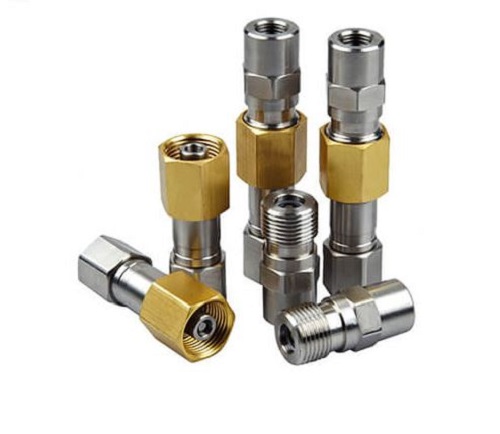
What are the Different Types of Hydraulic Fittings?
Hydraulic fittings are classified into many types. Below are some common types which are in use nowadays.
NPT/NPTF: These types of thread fittings are widely used in North America. This type of fitting is used in High Pressure Couplings, which are recognized by tapering the inner and outer diameter. This provides a strong seal for the perfect fitting. They are mostly used in plumbing industries.
BSPT: It is commonly known as the British thread type. These are the standard fittings that give excellent sealing at their ends when making a connection. They are sued for sealing and connecting two pipes by interlocking the male and female threads.
Metric Taper: These are well known for the connection of pipes which are having high precise inner and outer cylindrical diameters.
SAE Straight thread: This thread type provides excellent sealing because of the 90-durometer O-rings. These are very reliable and reusable types of threads.
ISO 6149: It has straight metric O-ring thread ports and is useful for diagnostic port applications.
JIS – B2351: This type of fittings is widely used in joining two hose adaptors, which contain BSP threads. These are mostly designed in Japan or Korea.
How to Select the Correct Hydraulic Fitting Type?
The following are some factors that need to be considered while selecting the right hydraulic fitting.
Size: The internal and external diameters of the fittings are more important when selecting the right size. These diameters of the fitting should be compatible with the diameter of the hose or pipes. Uneven size or oversized fittings will result in leakage and don’t provide enough seal in connection.
Material: Always consider the material of the fitting when selecting the right hydraulic fitting. It should be similar to the pipe material to provide a frequent flow of the hydraulic fluids without any spillage.
Temperature and Pressure: Hydraulic fittings should be suitable for your various range of temperatures. It should fit the pressure range including pressure spikes. When the pressure range increases it can cause damage to the fittings.
Assembly: It also determines the various type of applications to be used. It may be of T-shaped or cross fittings connecting the pipes. It also requires hydraulic quick connect fittings to connect or disconnect the hose or tube of the hydraulic systems.
Conclusion
Always choose the correct hydraulic fittings to get maximum performance in sealing. High pressure couplings can have resistance damage from high pressure flow, which provides excellent performance in transferring the hydraulic fluids.
Read More Here:
What Do You Mean by Hydraulic Quick Hose Couplings
How Does Flat Face Quick Couplers are Used
What is the Purpose of Flat Face Couplers in Hydraulics
What Factors Decide the Choice of Hydraulic Fittings
What are Quick Disconnect Couplings