
How Do You Know When Your Sump Pump Is Struggling to Keep Up
A sump pump protects your home from basement flooding by removing excess water before it rises to damaging levels. When the pump begins to struggle, warning signs usually appear long before a failure happens. Recognizing these early signals helps homeowners prevent flooding, property damage, and emergency repairs.
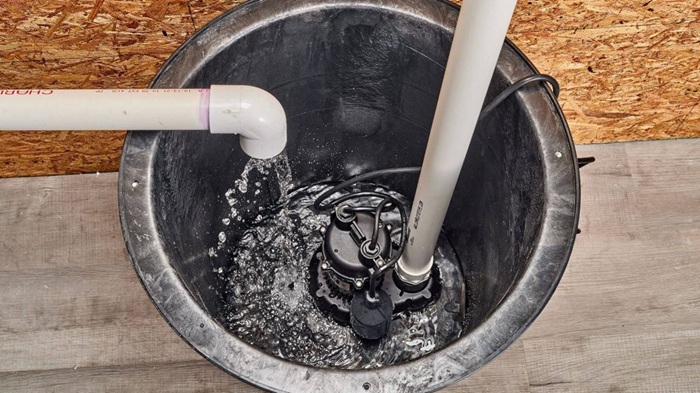
How Do You Know When Your Sump Pump Is Struggling to Keep Up?
The Pump Runs Constantly
A sump pump should activate only when water reaches a certain level. If the pump runs continuously during rainstorms or even in dry weather, it may be struggling to keep up.
Constant operation can indicate:
- A pump that is too small for the water volume
- A failing float switch
- A clogged discharge line
- High groundwater levels around the home
Continuous operation also increases wear and shortens the lifespan of the pump.
Strange Noises During Operation
Sump pumps normally produce a steady humming sound. Loud or unusual noises often signal internal problems.
Warning sounds include:
- Grinding or rattling from worn bearings
- Vibrations from an unbalanced impeller
- Gurgling from discharge line blockages
Unusual sounds should never be ignored because they often appear before the pump fails completely.
Homeowners often contact Sump Pump Repair Plumbers Toronto after these noises begin.
Water Takes Longer to Drain
A healthy sump pump removes water quickly. If water remains in the pit for long periods, the pump may be losing efficiency.
Slow drainage can be caused by:
- Motor wear
- Clogged intake screens
- Partial discharge pipe blockages
- An undersized pump
Reduced performance increases the risk of basement flooding during heavy rainfall.
Frequent Cycling On and Off
Rapid on-off cycling, often called short cycling, places extra stress on the motor. This happens when the float switch is malfunctioning or the pump is improperly sized.
Short cycling leads to overheating and early motor failure.
Visible Rust or Corrosion
Sump pumps operate in a damp environment, making corrosion common over time. Rust on the pump housing, discharge pipe, or fittings indicates aging components.
Corrosion weakens parts and increases the likelihood of leaks or mechanical failure.
The Pump Is Over 7–10 Years Old
Most sump pumps last between 7 and 10 years with regular maintenance. Older pumps often lose efficiency and struggle during heavy storms.
Replacing an aging pump before failure reduces the risk of flooding.
Basement Feels Damp or Smells Musty
A struggling sump pump may not remove water fast enough. This can increase humidity in the basement and lead to musty odors or mold growth.
These signs often appear before visible flooding occurs.
Power Outage Vulnerability
Heavy storms often cause power outages. If the sump pump does not have a backup power source, it cannot operate during critical moments.
Battery backup systems provide additional protection during outages.
The Toronto Plumbers provide sump pump repair, emergency plumbing, trenchless sewer line replacement, drain cleaning, renovation plumbing, and basement flood protection services across Toronto. With over 20 years of experience, their licensed technicians use modern equipment to protect homes from flooding.
They also help homeowners apply for Toronto’s basement flood protection rebate program.
Conclusion
A struggling sump pump often shows warning signs such as constant operation, strange noises, slow drainage, short cycling, corrosion, and increased basement humidity. Recognizing these signals early helps homeowners prevent flooding and schedule repairs before a complete failure occurs.