
What Makes a Self Inking Signature Stamp Better Than Traditional Stamps
A signature stamp is commonly used in offices, banks, and small businesses where repeated signing is required. Over time, traditional stamps have been replaced by self inking signature stamps due to their ease of use and consistent output. Understanding the differences between these two options helps in choosing the right tool for daily documentation needs.
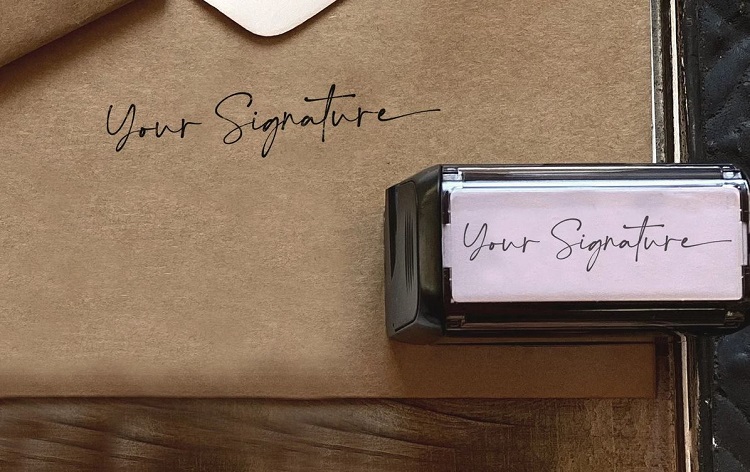
What Makes a Self Inking Signature Stamp Better Than Traditional Stamps?
Ease of Use in Daily Work
Traditional stamps require a separate ink pad. Each impression needs careful pressing onto the pad before stamping on paper. This adds extra steps and slows down routine work. A self inking signature stamp contains an internal ink system that automatically re inks the stamp after every use.
This built in mechanism allows users to stamp repeatedly without interruption. It also reduces hand movement and effort, making it suitable for high volume signing tasks in offices where speed and consistency matter.
Consistent Impression Quality
With traditional stamps, the ink level depends on how often the pad is refilled and how evenly the stamp is pressed. This often leads to faded or uneven impressions. A self inking signature stamp delivers uniform ink distribution with each press.
Since the ink is stored inside the stamp, every impression looks clean and clear. This consistency is important for official documents where readability and appearance matter.
Cleaner and Safer Operation
Ink pads used with traditional stamps can dry out, leak, or stain nearby surfaces. Handling them frequently also increases the chance of ink getting on hands or documents. A self inking signature stamp avoids these issues by keeping the ink sealed within the stamp body.
This design reduces mess and keeps workspaces cleaner. It is especially helpful in environments where documents must remain neat and presentable.
Time Saving for Repetitive Tasks
In many offices, signing documents is a repetitive task. Using a traditional stamp adds small delays that accumulate over time. A self inking signature stamp speeds up the process by removing the need to press onto an ink pad each time.
For businesses processing invoices, approvals, or forms daily, this time saving advantage becomes noticeable. A Signature Stamp Custom option further improves efficiency by matching the exact signature style required.
Longer Service Life
Traditional stamps often wear out faster due to uneven pressure and exposure to external ink pads. The rubber surface may degrade, leading to unclear impressions. Self inking signature stamps are designed to protect the stamping surface inside the casing.
The internal mechanism controls pressure and ink flow, helping the stamp last longer with regular use. When the ink runs low, it can be refilled or replaced without changing the entire stamp.
Compact and Convenient Design
Traditional stamping setups usually involve multiple items including the stamp and ink pad. This takes up desk space and increases the chance of misplacing parts. A self inking signature stamp combines everything into one compact unit.
This all in one design makes it easy to store, carry, and use whenever required. It is particularly useful for professionals who move between desks or work locations.
Better Control and Accuracy
Using a self inking signature stamp gives better control over placement. The stamp base is often transparent or well aligned, allowing precise positioning on documents. Traditional stamps may slip or shift due to separate ink pad handling.
Accurate placement helps maintain document alignment and reduces the need for re stamping or corrections.
Conclusion
A self inking signature stamp offers clear advantages over traditional stamps in terms of ease of use, consistency, cleanliness, and time efficiency. Its internal ink system and compact design simplify repetitive signing tasks while maintaining a professional appearance. For users who require frequent and reliable document signing, choosing a Signature Stamp Custom option provides better control and long term value compared to older stamping methods.