
How Do Professionals Verify Address Stamps Before Trusting Final Mail Runs
Every stamp tells a story about accuracy, pressure, and ink behavior under repeated handling. Testing protects mail flow from quiet errors before envelopes reach sorting machines. Professionals test early to expose flaws invisible during casual inspection. Each step mirrors field conditions across paper stocks and mailing speeds. One method alone never proves readiness for daily use. The process demands patience, repetition, and attention to fine details.
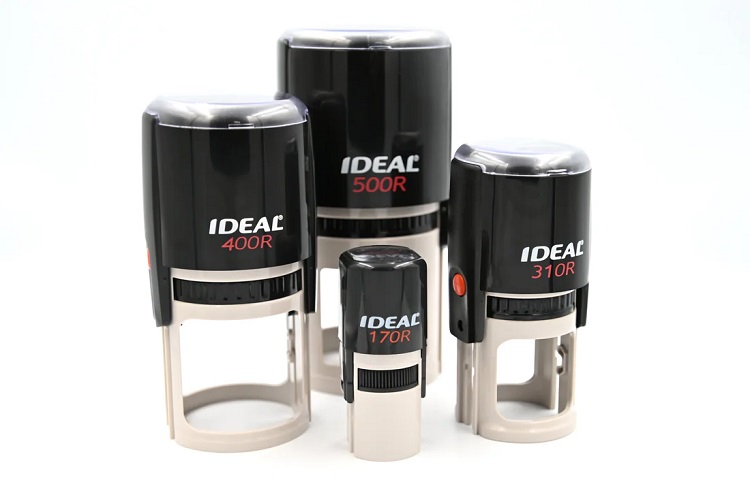
Ink behavior under pressure
Ink meets rubber through force, not guesswork, during early stamp testing sessions. Press lightly first to study outline clarity across characters. Increase pressure slowly to observe spreading along edges and corners. Uniform density signals balanced ink distribution across the stamp surface. Blotting or pooling reveals pressure mismatch or excess ink. This stage determines stability before long mailing sessions begin.
Paper surfaces reveal truth
Paper exposes weaknesses stamps hide on smooth testing pads. Test across recycled stock, coated envelopes, and textured paper varieties. Fibers pull ink differently under identical pressure applications. Crisp lines on smooth stock may bleed on rough surfaces. This contrast guides adjustments before final approval. Real mail paper always replaces testing sheets for accuracy.
Alignment under repeated strikes
Consistency matters more than beauty during stamp verification routines. Strike repeatedly on a single sheet to study drift. Watch letter spacing for gradual skew or compression patterns. Handle position affects alignment over long stamping runs. Fatigue changes angle and pressure without notice. Repetition exposes flaws one perfect strike conceals.
Drying time and smudge tests
Ink drying speed defines operational limits in mailing workflows. Stamp then drag clean paper lightly across fresh impressions. Smudging indicates drying delays under real handling conditions. Test timing across different ink pads and humidity levels. Fast drying supports higher mailing volume without errors. This step protects envelopes from damage during stacking.
Edge clarity and micro details
Edges reveal craftsmanship more than bold center strokes. Inspect fine serifs and small characters under magnification. Breaks signal worn rubber or uneven inking surfaces. Testing helps decide how to make address stamps withstand repeated commercial use. Sharp edges remain readable after dozens of impressions. Micro clarity separates professional results from amateur outcomes.
Environmental conditions during testing
Temperature and air moisture change ink flow more than most operators expect. Cold rooms stiffen rubber and reduce clean ink transfer. Warm environments soften pads and increase spread along edges. Humidity slows drying and encourages accidental smears during stacking. Testing under varied conditions simulates real workplace shifts. Results guide storage choices and daily operating habits.
Conclusion
Final testing transforms tools into trusted mailing instruments. Each test mirrors stress found during real postal handling. Skipping steps invites costly reprints and delayed deliveries. Consistent results across surfaces signal readiness for daily work. Professionals rely on evidence, not assumptions, before approving tools. Discipline during testing protects reputation long after stamping begins.